
Love is still Love: Making Diversity, Equity and Inclusion Impossible to Cut
Written by
Melissa Andrada, MSc. (mel - they/them)
CEO & Cofounder
Sol Garcia Jones, MA (they/them)
Equity Facilitator & Science Fiction Writer
Edited by
Dr. Suzan Ahmed (she/her)
Clinical Psychologist & Executive Coach

Photo by Lindsey Tavares-Sabido
Happy Juneteenth, y’all.
Happy Pride, y’all.
Love is still love. We are here, and we are not going anywhere.
This is a love letter to our country and our society. It has been six years since the murder of George Floyd and the waves of change in public and popular opinion around diversity, equity, and inclusion. As a collective of therapists and coaches that focuses on mental health in the workplace, we can’t talk about mental health without talking about equity and inclusion. Belonging is mental health.
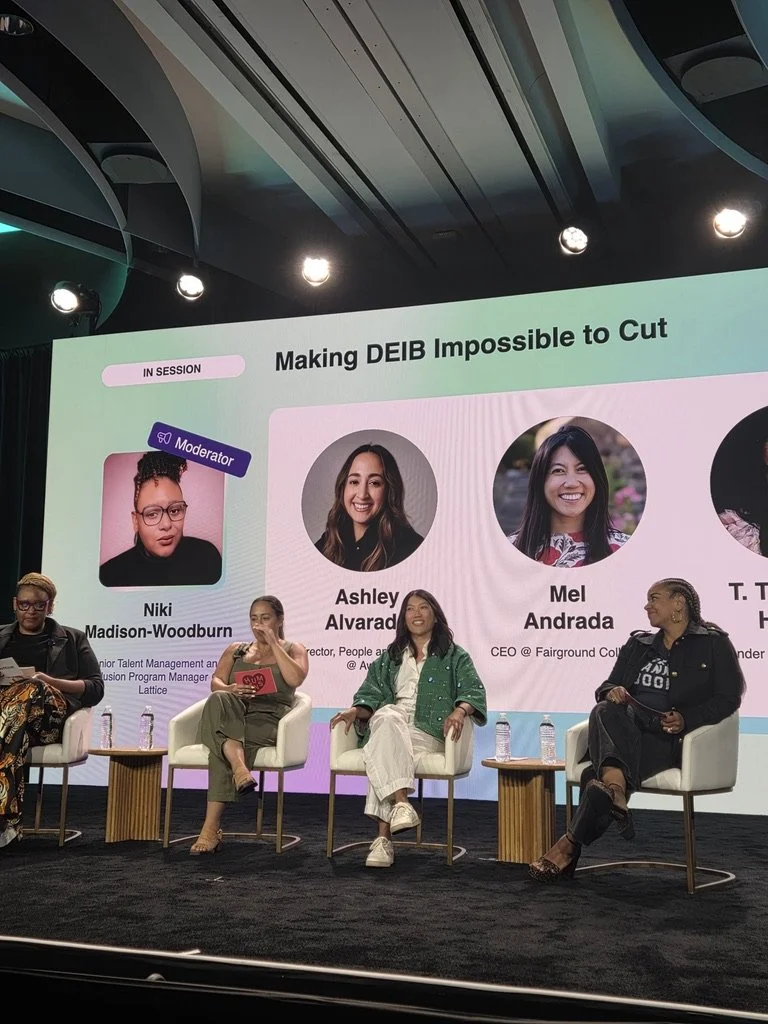
Photo by Sol Garcia Jones
Our CEO & Co-founder Melissa Andrada (mel - they/them) was recently on a panel at the HR conference Lattiverse, where we talked about the future of DEIB and making it impossible to cut. Over the past few years, there have been concerted political efforts to delegitimize our efforts for inclusion and belonging. And amidst this backlash, inspired by Alicia Keys, we want to share: “We are here, and we are here for all of us.”
We share this heartfelt essay with practical strategies to connect with the values we hold most sacred and dear, whilst meeting our colleagues and communities exactly where they are. We know people might be anxious and afraid yet still want to continue this work. We’re here for all the feels. As strategists and therapists, artists, and researchers, our methodologies at Fairground are rooted in case studies and lived experience, supporting hundreds of organizations and thousands of individuals alongside the latest research in somatics, neuroscience, and clinical psychology.
We acknowledge we don’t have all the answers; we need all of us to co-create the solution. To approach this next chapter of belonging with skillful courage and compassion, we invite you to dream with us.
Table of Strategic Practice
Center Into Collective Purpose. Develop an Embodied Relationship with our Why.
Create A Culture of Psychological Safety. Start with One Conversation, One Relationship, One Team.
Stay on Top of Research. Peer-reviewed Studies and Data Still Show Diverse and Inclusive Teams Lead to Positive Outcomes.
Understand the Law. HR and Employment Law May Actually Be on Your Side.
Remember DEI Work is Synonymous with Talent & Performance Management Best Practice.
Get Creative with Finance. Inclusion and Belonging Doesn’t Have to Break the Bank to Be Effective.
Avoid Burnout. Sustained Commitment to Social and Organizational Change Requires Rest and Self-care.
Strategic Practice: Center Into Collective Purpose. Develop an Embodied Relationship with our Why.

Photo by Diana Mendes
Stand into your why. Go beyond the acronym, what makes. What makes
diversity
equity and
inclusion
important to you and your organization?
What do these words personally mean?
Where do you feel this in your body?
What makes them worth fighting for?
To paraphrase Equity & Inclusion leader T. Tara Turk-Haynes, “One of the problems is that we didn’t have shared definitions, so a lot of people had no idea we were fighting not just for race, gender, sexual identity, accessibility, but also ageism, socioeconomic status, veteran status, etc.” Creating shared meaning can clarify purpose – an invitation to share the questions above with your team and organization.
-
An invitation to take three deep breaths from the diaphragm, as we know our purpose can be drawn from painful experiences rooted in our lived experiences, such as, but not limited to, working parents and caretakers, as elderly and youth, as veterans and survivors, as women, as trans & nonbinary folks, as people of color, as queer people, as immigrants, as neurodiverse and differently abled folks, folks holding trauma, depression and anxiety. We’ve got this. We’ve got you.
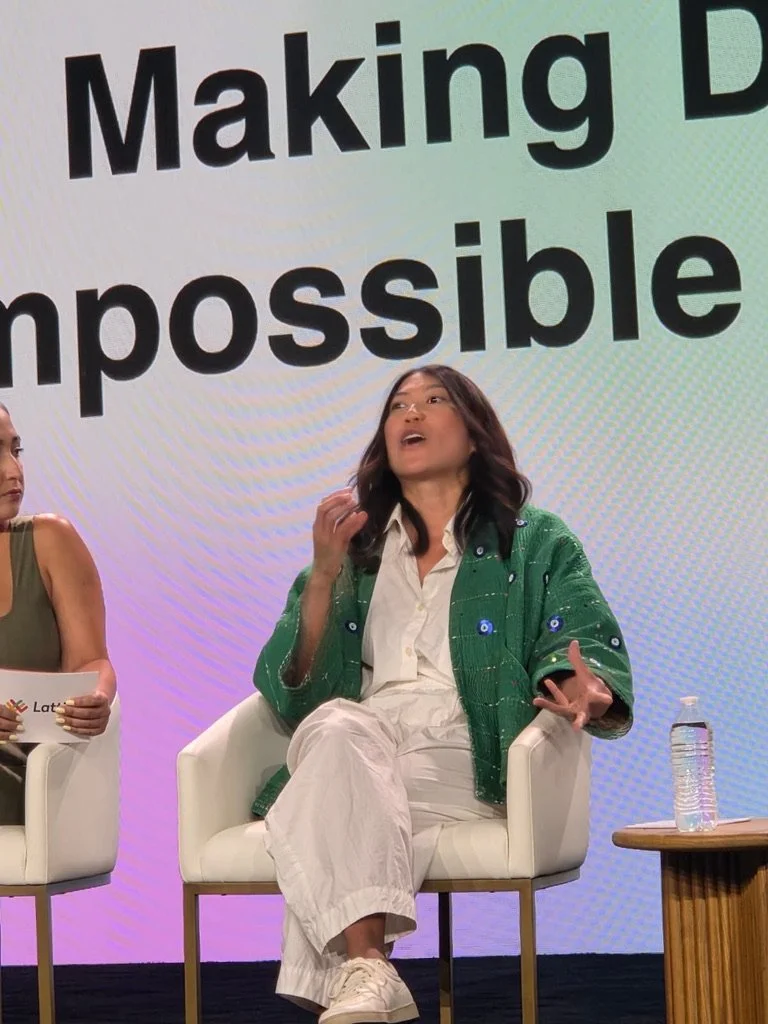
Photo by Sol Garcia Jones
Purpose anchors the automatic nervous system and fear response, amidst the inevitable changes in politics and popular culture. Getting clear on your personal and collective why will help you stay committed to the meaningful and necessary work of inclusion. As Mel wrote in an essay for Pride Month,
“Purpose connects to an untouchable courage and power that sees no stranger. Purpose is a timeless love song that inspires us to keep moving, singing and speaking our truths, even when our hearts are racing, our shoulders are clenching, when the primal instinct in the subcortical region of the brain is begging us to hide, to stay silent, to stay small. You will not destroy us; love always wins. We are the champions.”
2. Strategic Practice: Create A Culture of Psychological Safety. Start with One Conversation, One Relationship, One Team.
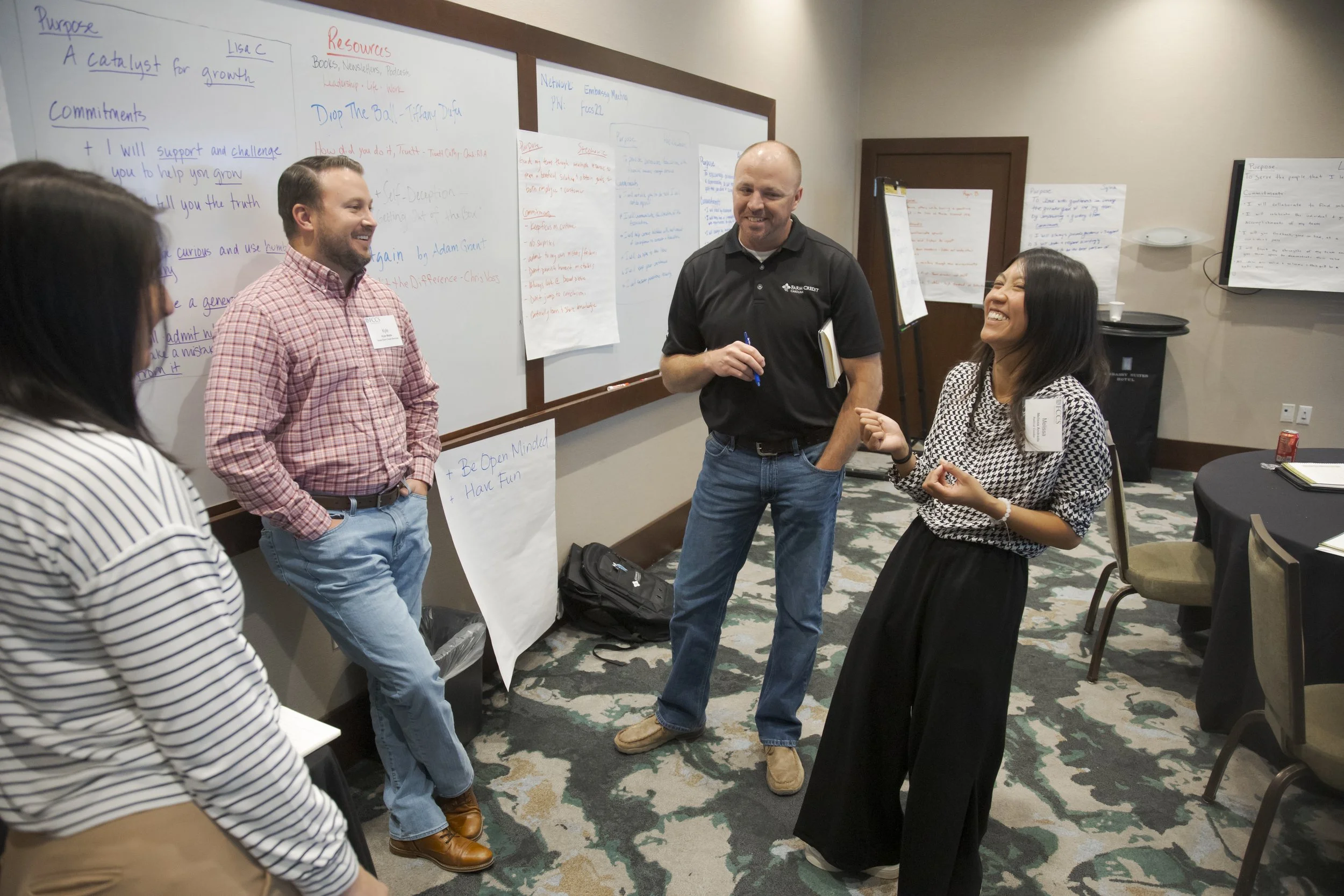
Bridging difference at a leadership workshop in Texas.
Tackling organizational and systems change can feel overwhelming. This is an invitation to begin by focusing on one relationship you’d like to bring more compassion and inclusion to – whether parents or partner, manager or colleague.
Who might have an open mind with the desire to change and grow?
Who might align to values around kindness and care?

Photo by Diana Mendes
One of the reasons cited as to why people disliked DEIB was because it supposedly made people feel bad. Even before the current backlash again Diversity, Equity & Inclusion, people were afraid to say and do the wrong thing. This is a totally human response. Create an environment for the nervous system to feel safe:
Provide people with accessible language and actions
No matter your context or identity, the capacity to simply listen and be present – without judgment or interruption – is one of the most important gifts you can give to someone.

Revolutionary Love Event, Groundfloor Los Angeles. Photo by Jesse Whiles
Co-create a supportive space for sharing life stories, while honoring boundaries and capacities. Vulnerability begets vulnerability. Compassion begets compassion. Stories are what make us human, and connect us back to each other.
Be mindful of shaming or blaming, as the nervous system will shut down, particularly in an environment where people may already experience tender fear and anxiety. An invitation to have grace and compassion as all of us learn and make mistakes. When it feels authentic, provide positive feedback and affirmations.

Dance towards inclusion
“If I can't dance, I don't want
to be part of your revolution.”
Emma Goldman
Invite people to join events and gatherings that evoke joy and connection. Equity work can feel heavy and draining – and we need to balance the heaviness with humor, levity, and playfulness. As an example, during Pride Month, we invite our straight colleagues and allies to join our annual Pride Parties in the workplace and in the community.
3. Strategic Practice: Stay on Top of the Research. Peer-reviewed studies and data still show that diverse and inclusive teams lead to positive outcomes.
Even with changes in popular culture and opinion, the evidence still stands around the latest long-term benefits of diverse and inclusive teams.
We acknowledge there have been critiques of the validity of the heavily cited McKinsey studies on diversity, equity and inclusion – and the need for new popularized research studies rooted in more robust collection and measurement methodologies.
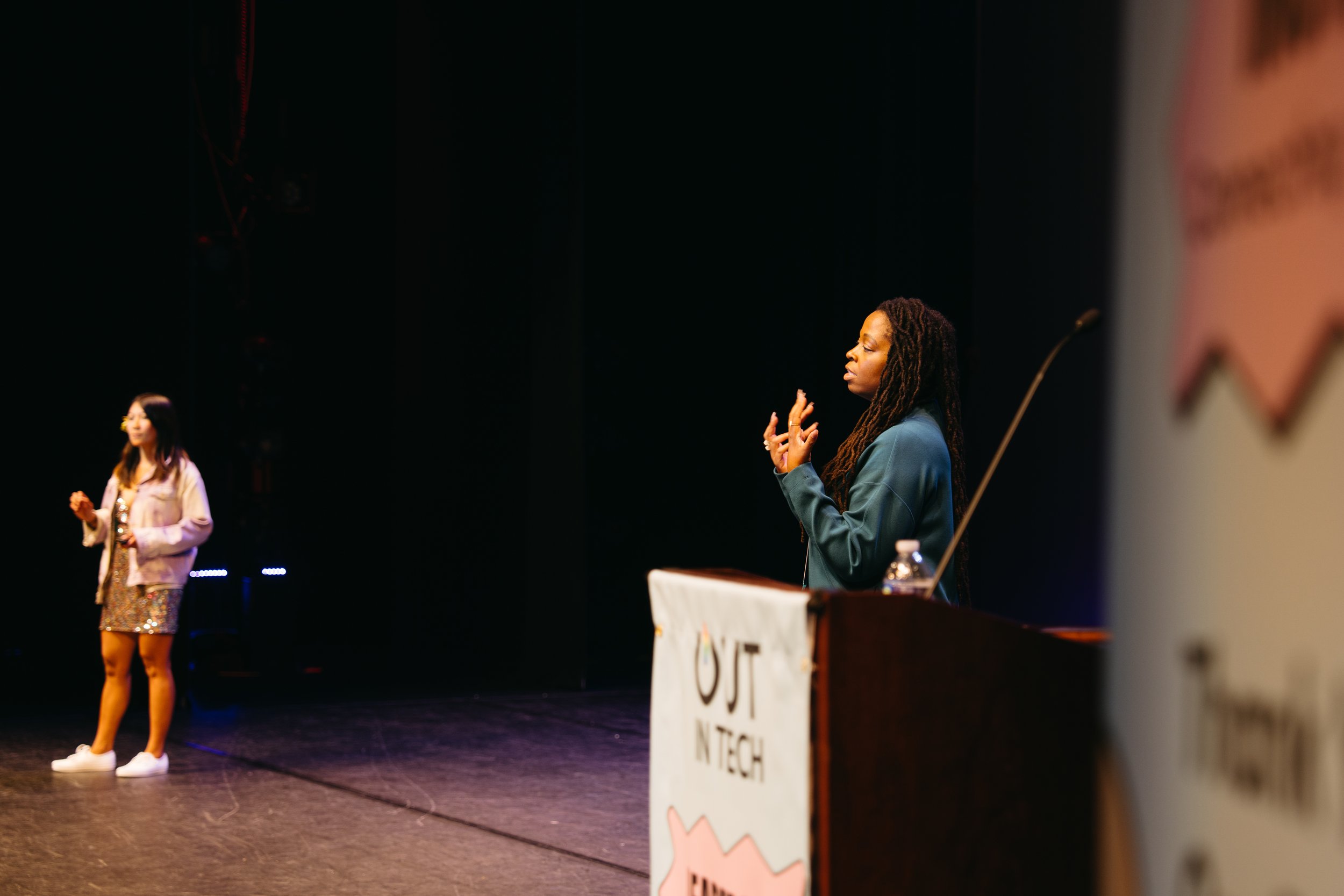
Interactive Keynote: Stepping Into Your Power As A Public Speaker, rooted in original research with Dr. Bree McDaniel & Melissa Andrada at Out in Tech’s Annual Leadership Institute
As academics and clinicians, we take inspiration from our university peers. A study conducted by researchers at the London School of Economics & Political Science in 2024 demonstrated that diversity, equity, and inclusion were correlated with long-term market valuation and innovation, particularly when there were higher levels of ethnic diversity in senior management. Providing a more grounded objective lens, this study was based on 3.2 million reviews posted between 2015 and 2022 on Glassdoor, measured against the performance of 945 organizations in the US and UK.
We know diversity is not enough without intentional, strategic practices for psychological safety and inclusion to create harmony that facilitates commercial innovation and impact.
Finally, do your homework, lead with the latest research, ideally from peer-reviewed sources. Or, better yet, get funding to conduct original academic research on its efficacy.
4. Strategic Practice: Understand the Law. HR and Employment Law May Actually be on Your Side
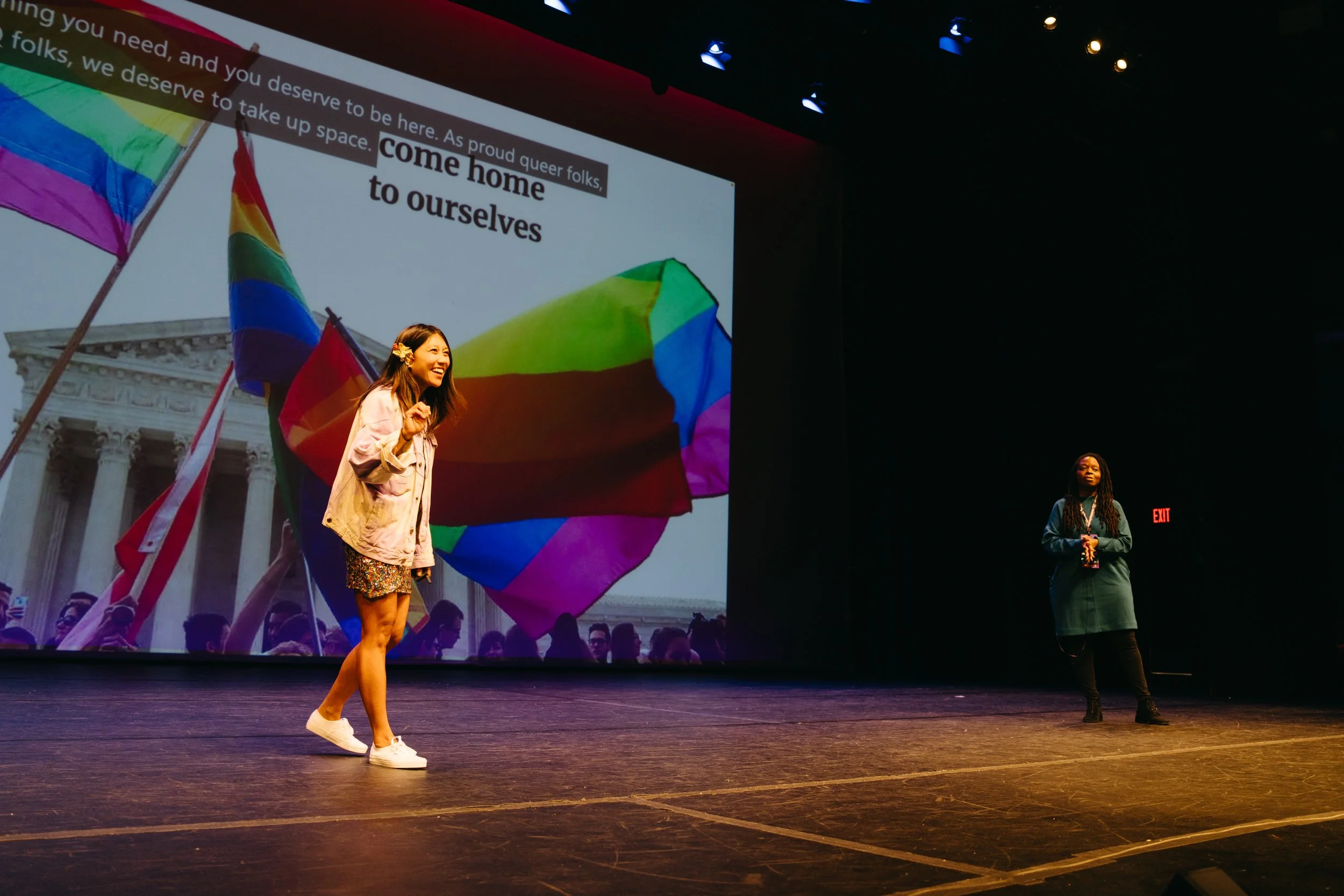
Interactive Keynote: Stepping Into Your Power As A Public Speaker
For anyone who has historically done this work, loves this work, and stands by this work – we understand this is a frightening time. We are right there with you in feeling confused and uncertain about how to maintain support for our most marginalized, while ensuring you or your organization doesn’t come under direct fire or burn out. For those in a similar boat to our practitioners, here are some practical tools and tips to consider from a legal perspective. For clarity, we will name that we are operating in a US context.
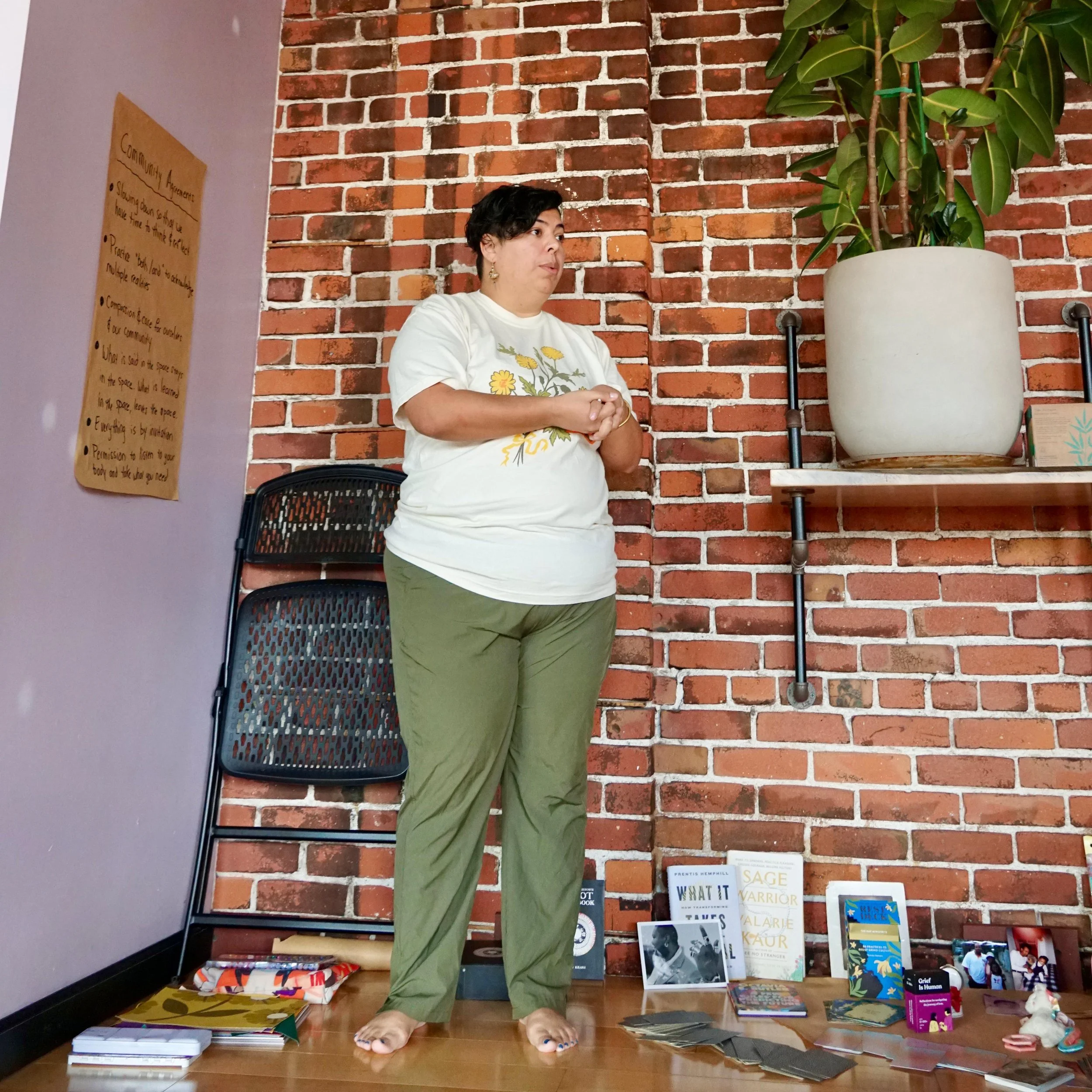
Photo by Lindsey Tavares-Sabido
A study by HCRI, a leadership and professional development organization, found that a majority of HR professionals surveyed still support DEI and see it as beneficial to their organizations. When asked, “Do you worry the political climate will require your organization to make changes to its DEI efforts? Are you currently making changes?”, nearly 40% of respondents cited, “Not worried, not making changes.” HR leaders named DEI as still key to maintaining diverse thought, important for equality, and even a tool in employee retention.
If you are in HR, you likely know that the compliance floor hasn't moved in the States. Employers are still legally required to prevent and address discrimination, provide reasonable accommodations for disability and religion, and maintain workplaces free from harassment. All of these protections are in place to support groups that fall under the DEI umbrella: people of color, disabled people, women, trans folk, etc. Much of what we call "DEI work" is, at its core, exactly this: making sure people are protected, supported, and treated fairly under the law. If you want to feel on firm footing, make sure you are up to date on laws that protect your people, particularly regarding protected classes, such as Title VII, the ADA,and other federal anti-discrimination laws.
While all of this information is to remind you that there are supports in this work, it is also important to think about what is your or your organization’s risk tolerance. Consider for you, your team, or your organization:

Photo by Jesse Whiles
In the current climate around DEI:
What feels extremely risky?
What feels somewhat risky?
What doesn’t feel risky at all?
And consider using tools such as this ReadySet Risk Calculator in making those decisions.
5. Strategic Practice: Remember DEI Work is Synonymous with Talent & Performance Management Best Practice
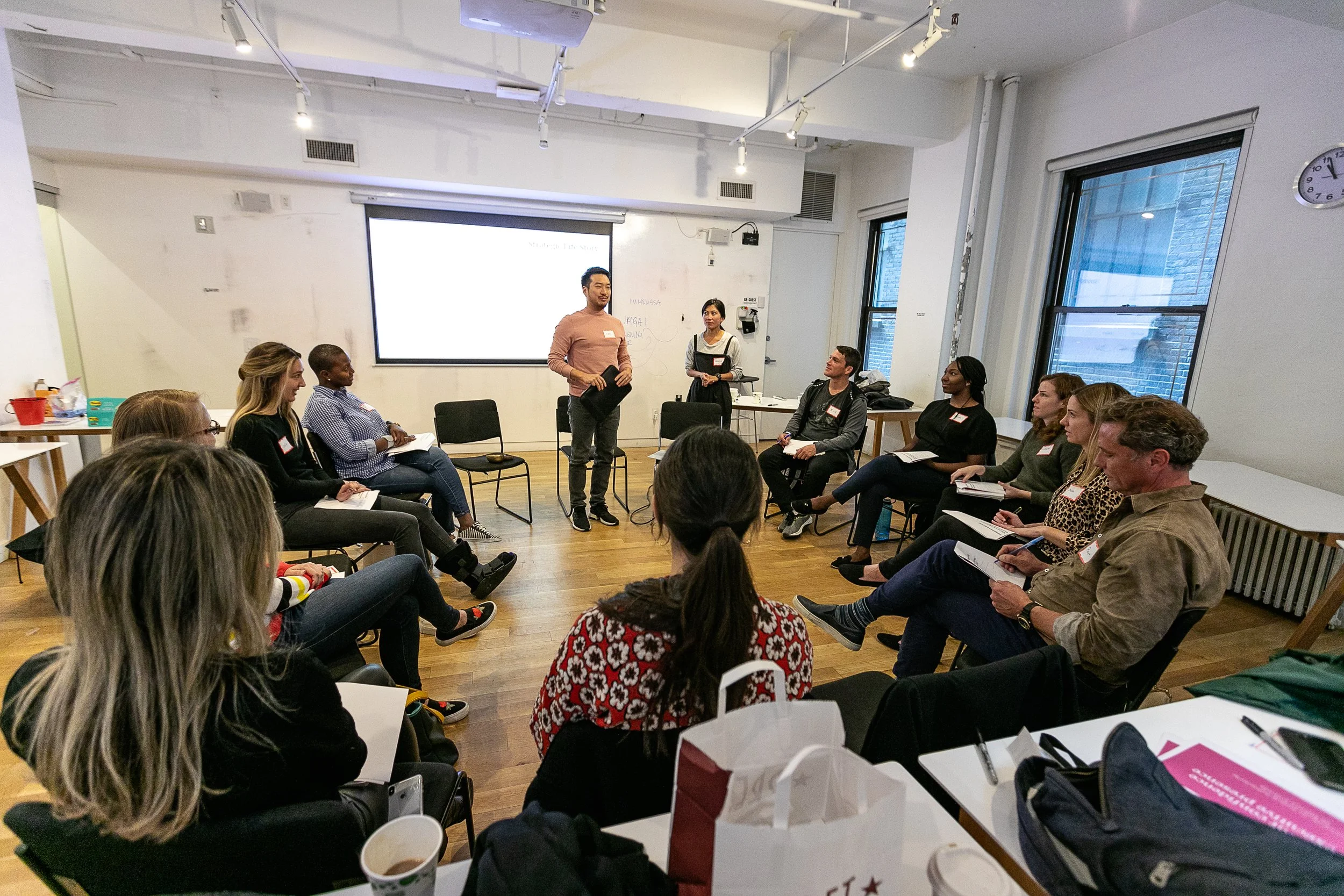
Photo by Jesse Whiles
If you've ever watched a talented person walk out the door and wondered what you could have done differently, considering ideas around DEI might help. Retaining great people — especially people from historically underrepresented groups — isn't separate from good talent strategy.
We have seen this firsthand at organizations. Some places to consider in integrating DEI ideas into your talent strategy include: performance management audits, feedback, and manager training.
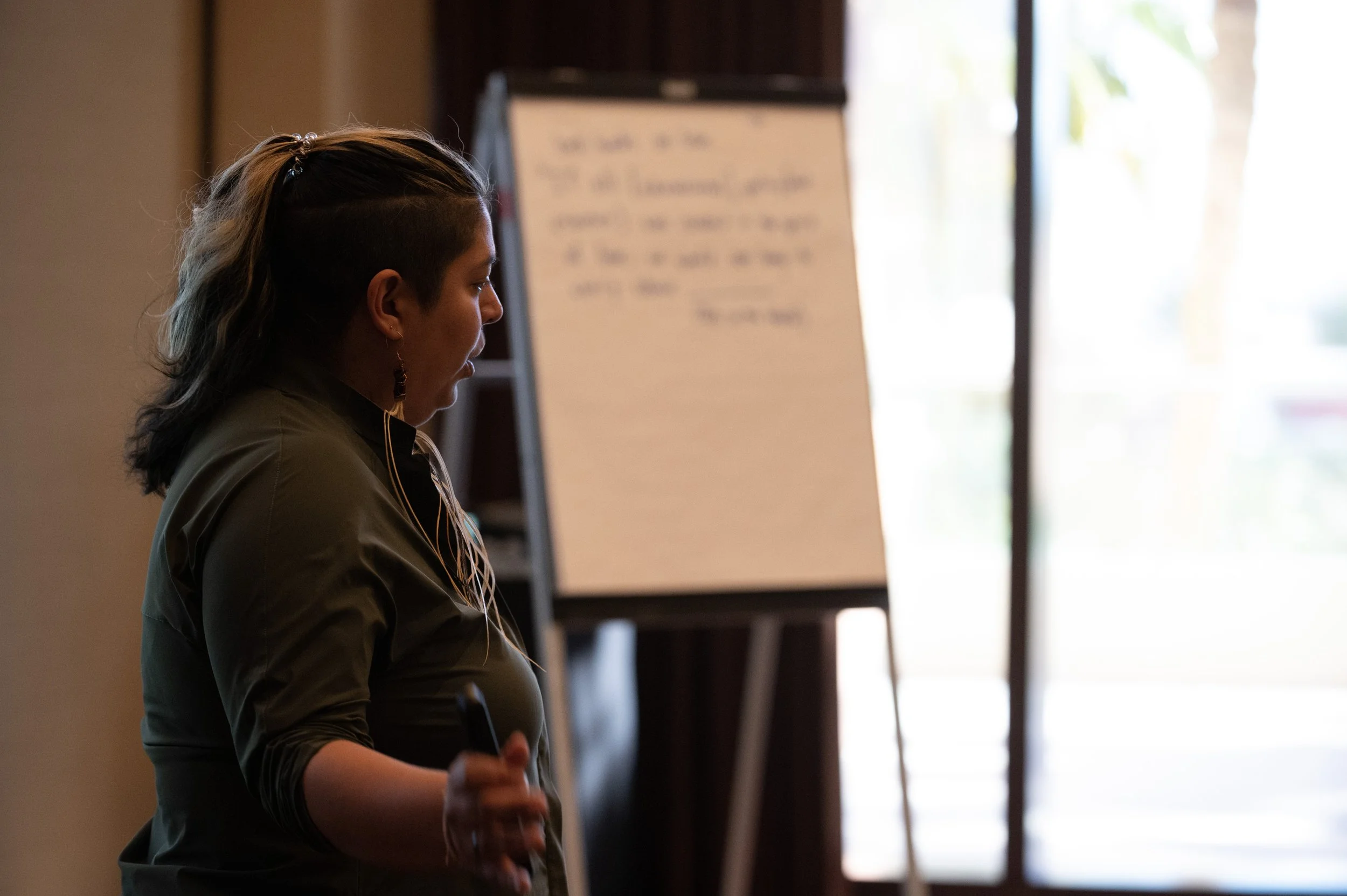
Sol Garcia Jones facilitating a workshop on inclusion.
Having performance management systems that are clear, systematic and communicated helps everyone. To paraphrase Ashley Alvarado, Director of People Strategy, Away, “When DEI is truly integrated, it looks like every executive and every function owns a goal tied to this work. It's not a separate track. It's baked into how the business runs.” Integrating DEI principles into performance management should ultimately allow managers to feel they can assess direct reports with more structure and direct reports feeling they have a clear view into what it means to do great work and climb higher. That kind of clarity is good for everyone, and is especially meaningful for people who've historically had reason to doubt the system is working in their favor.
Integrating equitable feedback systems is another key way to level-up your talent practice. At Fairground, we center identity in our Communicate Empathy Guide because each person is unique in how they want and will best receive feedback. This is consistently rated as a top tool with clients. It is a simple but effective way to learn more about your teammates and ensure sometimes difficult conversations are grounded in psychological safety and empathy.
“I prefer to receive constructive feedback in the following verbal style and tone:
1. Compassionate & Gentle & Clear
2. Direct/No Bullsh*t & Concise
3. Positive & Affirming
4. Serious & Gravitas
5. Instructive (“Tell me exactly what to do”)
6. Collaborative (“How we might we approach this?”)”
Finally, having regular management training is core to good talent strategy and recommended in DEI practice. As mentioned at the Lattiverse conference, management is often a key lever – they are both the folks who have a large role to play in culture as well as the ones who can sometimes feel the most stuck when organizational priorities, such as those around DEI, shift. Taking time to ensure this key demographic feels supported can make a massive difference. To paraphrase T. Tara Turk-Haynes at the conference, “[we want] to operationalize and normalize communicating through difficult times. People don’t know what to say and haven’t been given the tools to do so.” Management training means those who spend the most time with the bulk of your staff feel equipped and empowered to support their people, particularly when things change rapidly.
6. Strategic Practice: Get Creative with Finance. Inclusion and Belonging Doesn’t Have to Break the Bank to Be Effective

Photo by Gillian Stargensky
There have been mistaken ideas that, for DEI to be effective, it needs to involve external consultants and potentially cost a lot of money. But many of its principles focus on bringing people together and building community, all of which can be done whether or not a formal budget has been set aside. However, we strongly recommend you still have a budget dedicated to diversity, equity and inclusion.

Photo by Gillian Stargensky
In an education non-profit Sol Garcia Jones worked at, affinity groups were proposed as exciting new ways to connect after a training made it clear the culture needed work. The organic development of these groups meant that the budget was not readily available. While waiting for budget approval, coworkers organically began creating an email listserv, hosting lunch-and-learns, sharing articles focused on learning about one another’s identities, and messaging their employee resource groups (ERGs) to arrange drinks or snacks after work.
These affinity and ERG spaces made a massive difference in culture, with relatively low lift on the part of the organization, other than space and time for people to come together. Organizing is human-powered and thus requires willpower, a little time, and ingenuity. Once again, we strongly recommend that you maintain a budget dedicated to diversity, equity, and inclusion to honor your staff's time and to scale the impact of a healthy and inclusive culture.
7. Avoid Burnout. Sustained commitment to social and organizational change requires rest and self-care.
“Pleasure activism is the work we do to reclaim our whole, happy, and satisfiable selves from the impacts, delusions, and limitations of oppression.”

Strategic Rest for Entrepreneurs and Leaders at Groundfloor Oakland
Let’s be real – this work is incredibly important yet it can lead to emotional exhaustion and burnout if we’re not intentional about caring for mental health and wellbeing. Self-care is not a soft luxury or label; it is a core leadership skill for compassionate high performance. We aspire to come from a place of our Gentle Ambition, approaching our work around community and belonging with compassion and care.
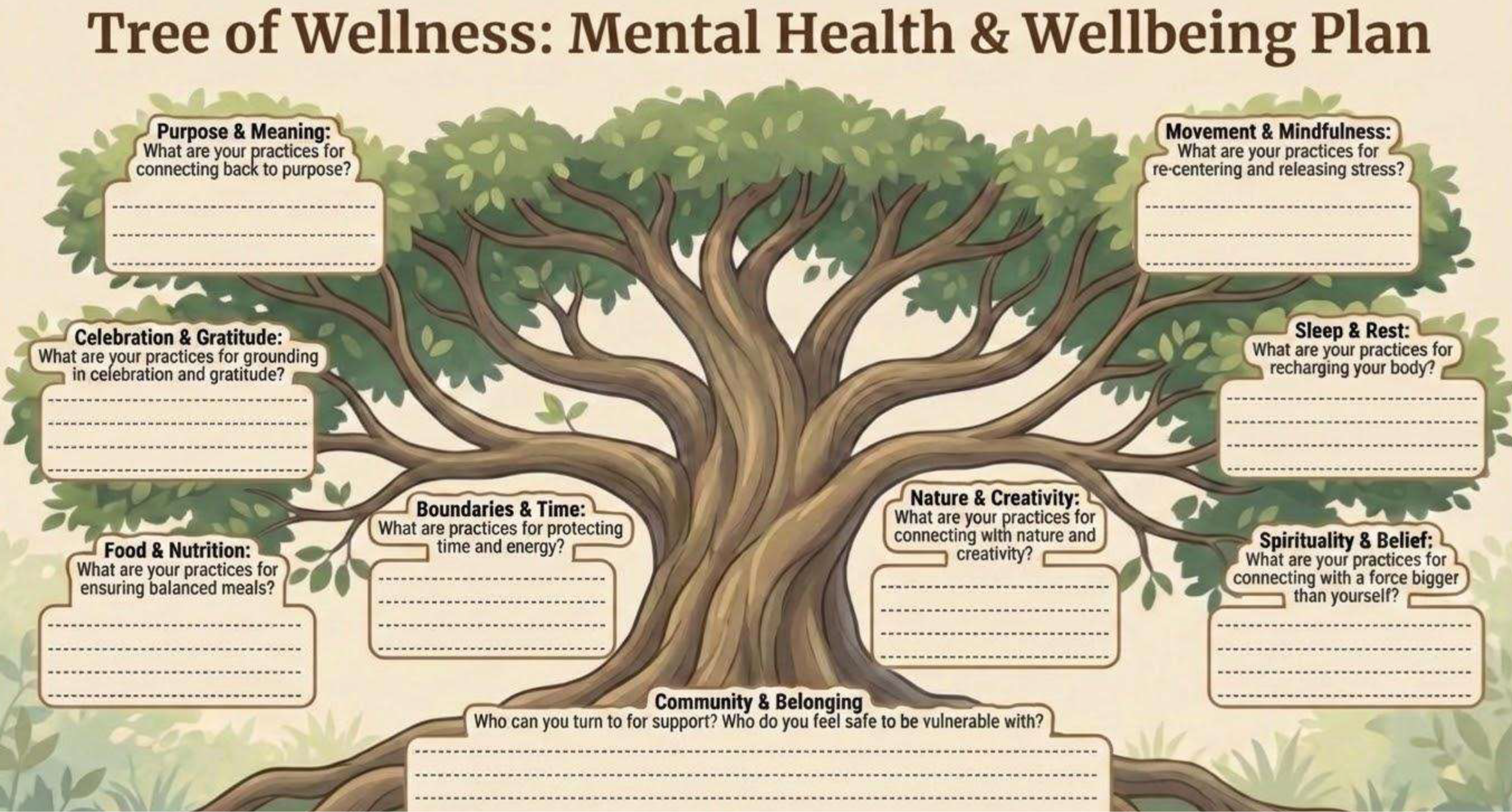
We created the Tree of Wellness: Mental Health & Wellness Plan to support leaders in sustaining their work and impact for their communities:
• Movement & Mindfulness – How do you reset your body & mind?
• Purpose & Meaning – What are your practices for connecting back to purpose?
• Food & Nutrition – How do you fuel sustained energy?
• Boundaries & Time – How do you protect focus and capacity?
• Sleep & Rest – How do you recover & recharge?
• Spirituality & Belief – What are your practices for connecting with a force bigger than yourself?
• Celebration & Gratitude – How do you recognize & celebrate progress?
• Nature & Creativity – What are your practices for grounding with nature & creativity?
• Community & Belonging – Who can you turn to for support? Who do you feel safe being vulnerable with?
An invitation to spend an hour reflecting on these questions, drawing your own version of the Tree of Wellness, or printing it out and keeping a copy nearby as a daily reminder.
Conclusion: We are still here. Long live Diversity, Equity and Inclusion.
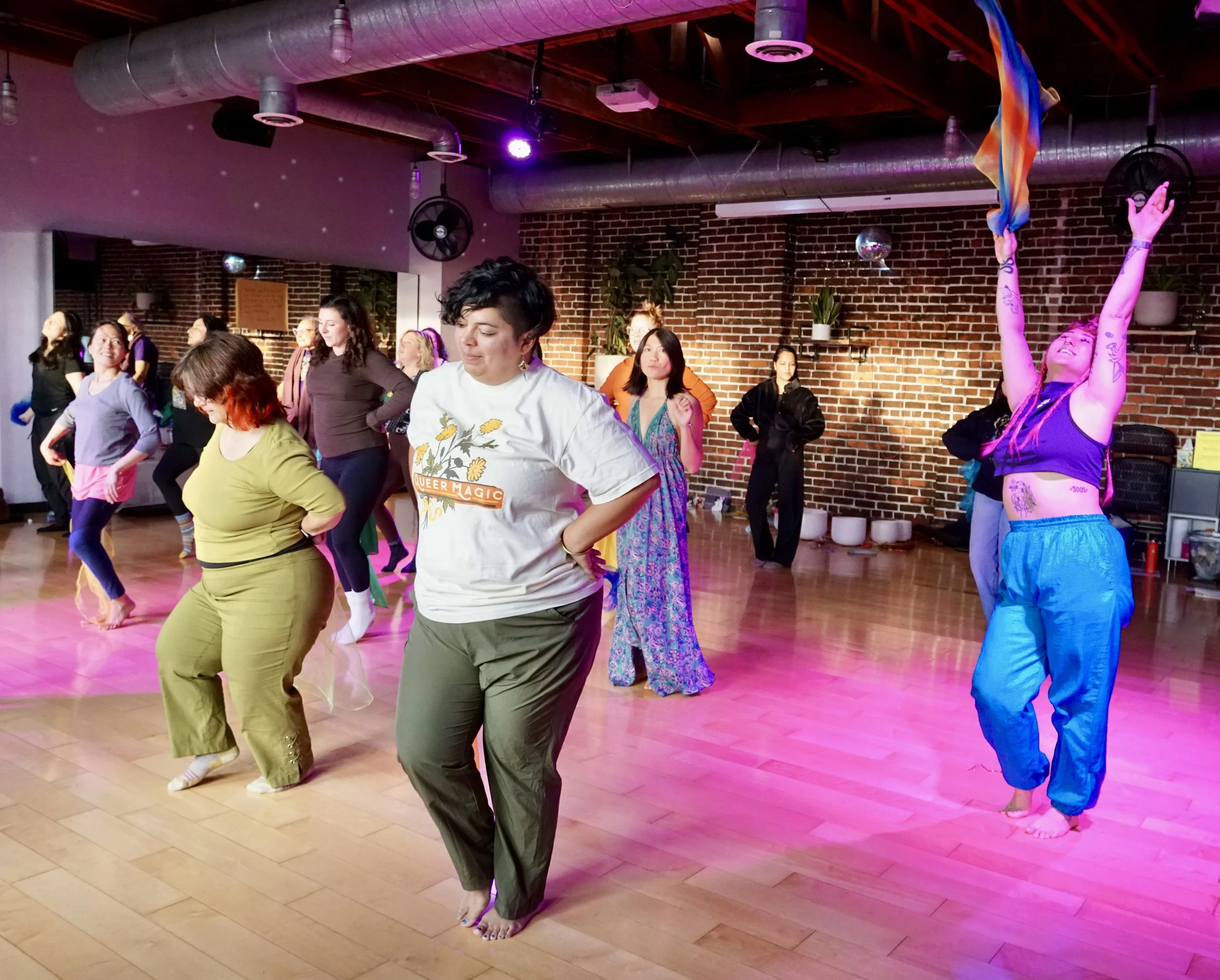
Photo by Lindsey Tavares-Sabido
-
Imagine it is 2036. DEIB came back with a joyful, powerful resurgence. It came back because of our human ingenuity, resilience and love. Our most vulnerable people — trans people, veterans, disabled folks — are not just visible, they are thriving. Maybe the acronym has changed, but diversity, equity, inclusion and belonging are the name of the day.
Imagine…. What does that day look like?
Imagine…. What does that day feel like?
Imagine…. What are you doing to make this world possible?
Congratulations, reader, you’ve made it to the end. In the spirit of mental health and sustained commitment, take a moment to pause and celebrate what you’ve learned and gained.
“Another world is not only possible, she is on her way. On a quiet day, I can hear her breathing.”
You are not alone; you belong. We know the world may evoke fear and anxiety, yet together we can hold the waves of change and uncertainty with confidence, courage, and compassion.
We can still move our organizations, our teams, our colleagues to orient back towards belonging and inclusion – ultimately, back to love. Love is still love.